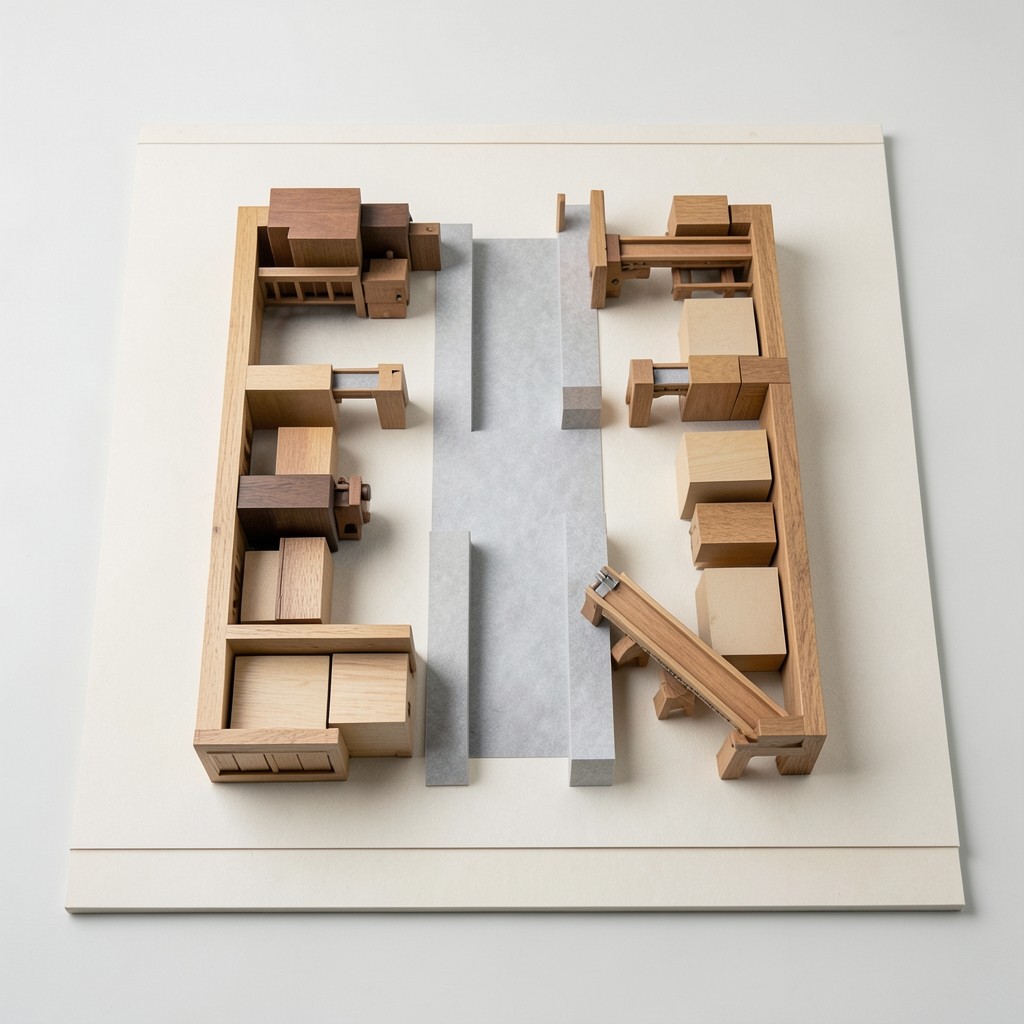
Five layout mistakes we still see in small cells
From reach that looks fine on a drawing to stillages that force a twist on every pick.
Small cells fail for ordinary reasons. The first is designing for the average operator’s height and then staffing the cell with whoever is available on nights. Adjustable fixtures and alternate pick heights cost less than chronic shoulder complaints.
Second, drawings often ignore how totes arrive. A perfect U-shape collapses when a pallet jack needs a straight reverse path that nobody left in the plan. Walk the inbound route with the person who actually delivers materials.
Third, visual controls get added after go-live and then hang from the wrong places—shadow boards behind the operator’s head, or kanban cards that require a step away from the station. Build the communication surface into the first layout board.
Fourth, scrap and rework paths are treated as exceptions. They are not. Give defective parts a clear home that does not block the primary flow, or the cell will invent informal piles within a week.
Fifth, maintenance access is forgotten. If a filter or grease point sits behind a fixed bench, downtime stretches and temporary ‘fixes’ rearrange the cell overnight. Invite a maintenance technician to the layout review before you freeze the plan.